Since forever, I have wanted to see caribou in the wild. The problem is caribou are a threatened species and are very hard to find. However, year after year, I have tried to seek out the woodland caribou herd that resides in Jasper National Park. Now, there are four herds that live in the park, some more remote than others but there was a herd that lived along the Maligne lake road. Unfortunately, there has been no sign of that herd since 2018.
The other remaining groups tend to be more remote and since yours truly is less ambulatory than most, I am unlikely to be hiking to where they are. My step sister sees caribou along the Grande Cache Highway and my dear friends (who used to live in the Yukon) were my next best hope, however (happily, I might add) they moved back to Alberta last fall, so my plan to drive up there this summer went away so seeing Yukon caribou (as they were always seeing them) went away too.
So, what is a caribou seeking lady to do?
Change the plan… Number six: See caribou in the wild became…
Number six: See humpback whales!
Where does a girl from Alberta see humpback whales? Where every landlocked person does… Mexico! This past winter, we had the opportunity to take a short vacation and while on vacation, we did a tour to Marietas National Park. Luckily, our tour boat came across an association of humpback whales! In fact, we found a couple of rival males pursuing female whales. We got to see some interesting behaviours of the rival males competing for the affection of the ladies.
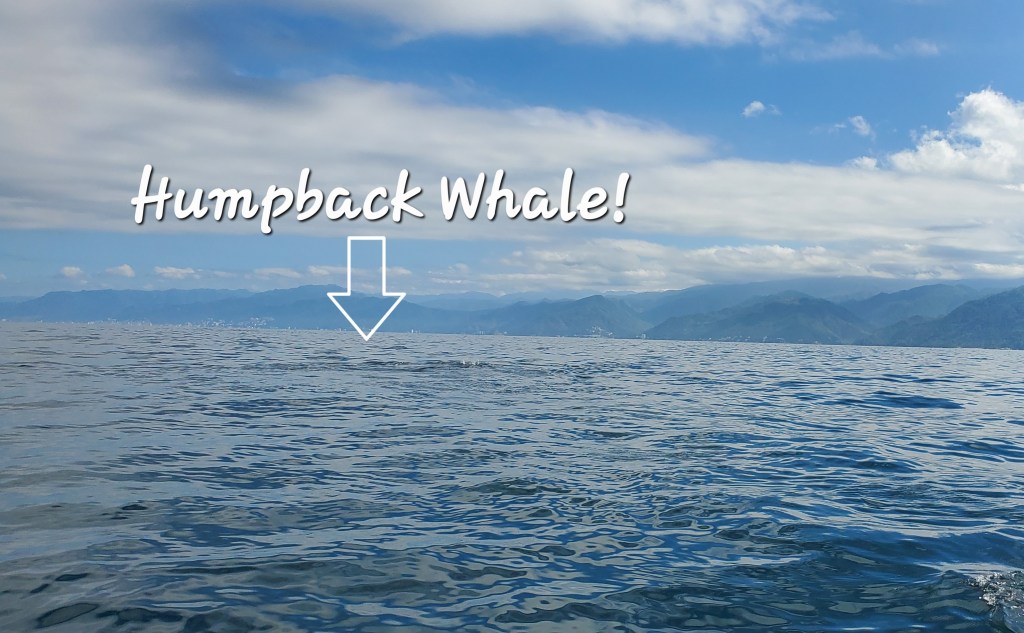
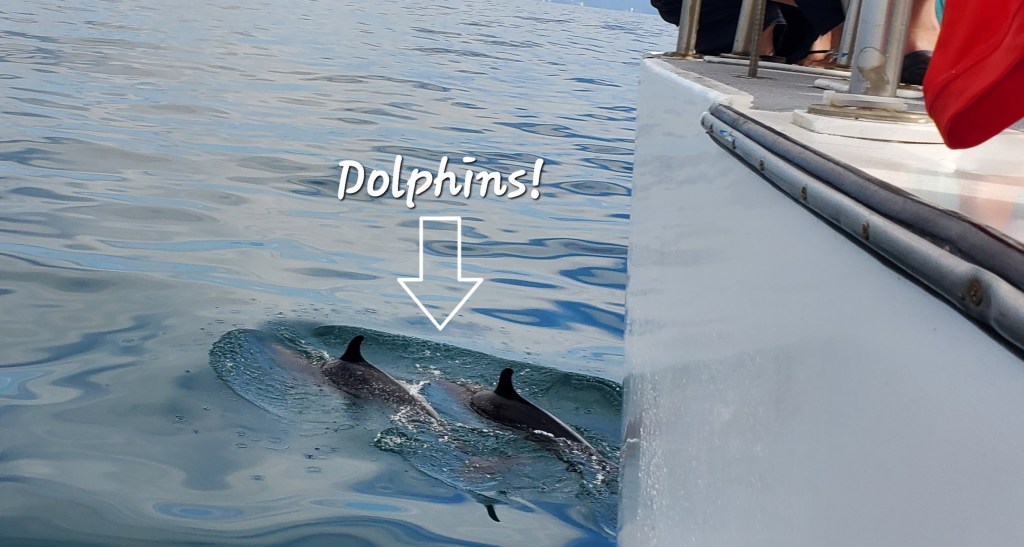
Did you know that dolphins tend to swim along with humpbacks? They do! So as a bonus, we got to see a pod of dolphins too. Scientists believe that dolphins often swim along with whales because it aids them in swimming faster and therefore, they expend less energy. #funfact The pod that swam along our boat, tailing the whales numbered around eight. I don’t recall exactly what kind of dolphins they were, however. I was just so excited to see them (and the whales)!
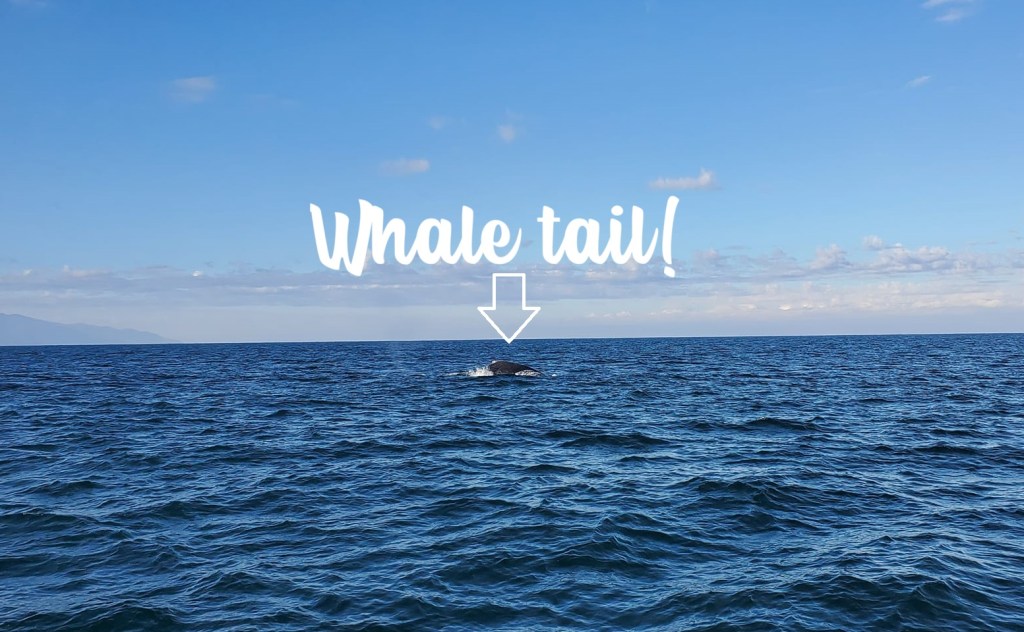
While the whales never fully breached, they did do a lot of fin slapping and partial breaches. By law, we were only allowed to be a certain distance from them, and (rightfully so) we could only follow for so long. As this part of Mexico is part of the breeding ground, they are very specific about how long tour boats can follow and watch the behaviour. The operators are very strict about adhering to the rules, of which I was very appreciative
Being that I respect our own wildlife, especially in Jasper, one thing that drives me around the bend is when tourists approach bears, elk, and Rocky Mountain bighorn sheep in the park. While the rules are explained at the gate, every single year, you see people breaking the rules and exiting their vehicles to get closer, to get a better picture, and even try to feed them. This behaviour causes habituation and can (and does) lead to habituation and leads to the destruction (killing) of the animals.
After thirty minutes, we had to move on. While I did not get a ‘perfect shot’, I had the perfect memory of knowing those giant creatures were near and that gave me a wonderful experience!
“Admiral… there be whales here!” – Captain Montgomery Scott (aka Scotty)
 The Voices In My Head